

The most expensive repair in any building is the one nobody saw coming. A failed pump on a holiday weekend, a slow leak behind a wall, an HVAC unit that quits in a heatwave — these emergencies cost far more than the routine attention that would have prevented them.
Preventive maintenance flips the equation. Instead of reacting to failures, you catch small issues while they’re still small. It’s the difference between a scheduled inspection and an after-hours emergency call — and the savings compound year over year.
Reactive vs. Preventive: The Real Cost Gap
Reactive maintenance always looks cheaper until something breaks. Emergency labour, rush parts, collateral damage and downtime turn a manageable fix into a major expense. Preventive maintenance spreads predictable, lower costs across the year and removes most of the emergencies entirely.
You either schedule maintenance, or your building schedules it for you — usually at the worst possible time.
Daily Operational Inspections
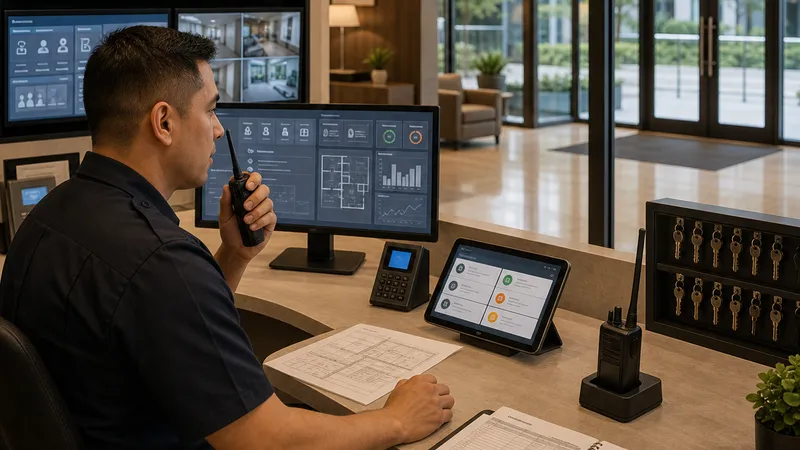
The core of a strong program is simple: someone competent looking at your building’s systems on a regular basis. Daily operational inspections of mechanical systems keep everything running efficiently and surface problems while there’s still time to plan around them.
- Mechanical, HVAC and plumbing systems checked on a schedule
- Early detection of leaks, wear and performance drop-off
- Common areas and safety systems kept in good standing order
Protecting Equipment Life
Building systems are major capital assets. Regular attention extends their service life, defers expensive replacements, and keeps them running at peak efficiency — which also shows up as lower energy and operating costs along the way.
Predictable Budgets, Fewer Surprises
Perhaps the biggest benefit is financial predictability. A preventive program turns a chaotic, lumpy repair budget into a steady, plannable one. You spend less overall, and you almost never get blindsided.
Good maintenance is quiet by design — when it’s working, nothing dramatic happens. That calm is exactly the point, and it’s the most cost-effective way to run a building.
Back to all articles